
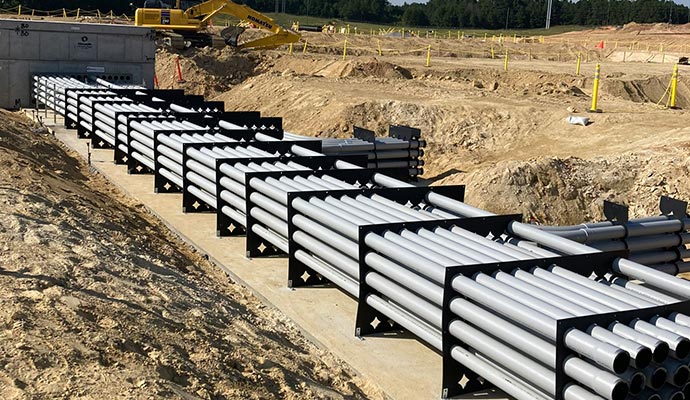
PVC Spacers vs HDPE Spacers
Choosing the right conduit spacer material directly influences the strength and reliability of conduit systems. PVC and HDPE spacers both serve the same purpose, but they behave differently under real installation stress.
HDPE spacers are widely recognized as the stronger option for high-load underground applications. It performs more consistently under heavy equipment pressure, repeated handling, and shifting site conditions. Amur Trench supplies duct bank conduit spacers manufactured using high-density polyethylene (HDPE) for dependable performance in commercial construction projects. Call us today or reach out online to learn more about our conduit spacer solutions and find the right product for your next installation in Austin, Colorado Springs, Los Angeles, Denver, and other cities.
888-996-8288Importance of Conduit Spacer Material
Conduit spacers do more than separate conduit runs. They maintain spacing accuracy and structural alignment throughout your installation. Because installation environments vary, spacers must withstand multiple stress factors, including:
Concrete Pressure
Supports conduit positioning during concrete encasement.
Heavy Equipment Activity
Performs in active construction environments with constant movement.
Impact During Transportation
Resists damage while being transported, unloaded, and installed.
Changing Ground Conditions
Maintains structural integrity despite shifting soil and underground pressure.
Extended Project Timelines
Delivers consistent performance throughout every stage of your installation.
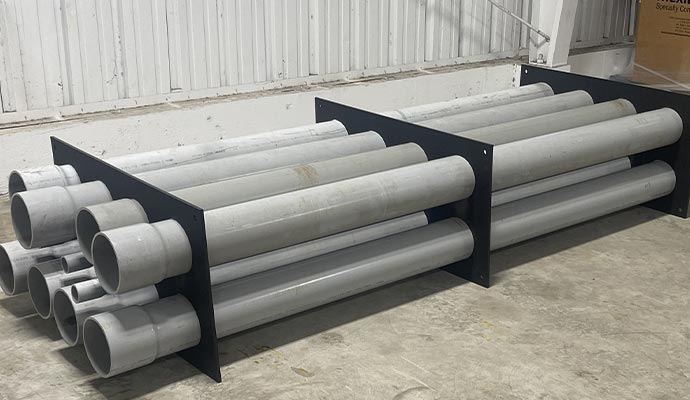
Where PVC Conduit Spacers Fall Short in Field Conditions
PVC spacers are commonly used because they are lightweight and easy to handle. They perform well in standard installations with moderate conditions. However, their rigidity becomes a limitation under stress.
Repeated impact or heavy loads can cause cracking over time, affecting the main infrastructure in the future. In unstable soil conditions, this weakness becomes more noticeable. As a result, many contractors look for stronger alternatives for demanding projects.
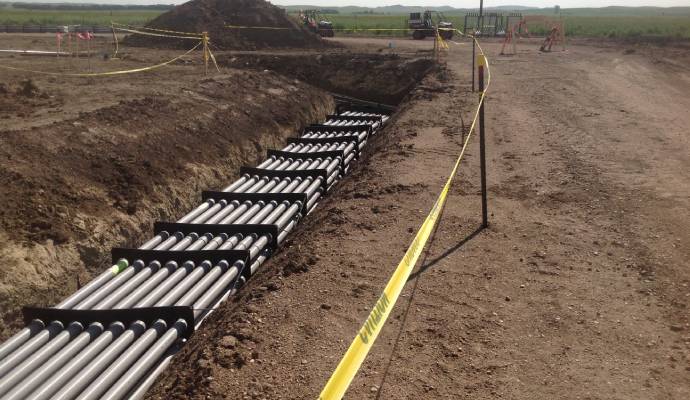
HDPE Spacers Are the Stronger Alternative for Your Projects
HDPE (high-density polyethylene) is engineered for strength, flexibility, and impact resistance. This combination allows it to outperform PVC in demanding underground environments. Here are the performance advantages that make HDPE spacers the preferred choice for industries:
- Resist cracking during transportation and handling
- Maintain structural strength under heavy loads
- Withstand impact without breaking
- Keep conduit layouts stable throughout installation
- Deliver long-term performance over the years
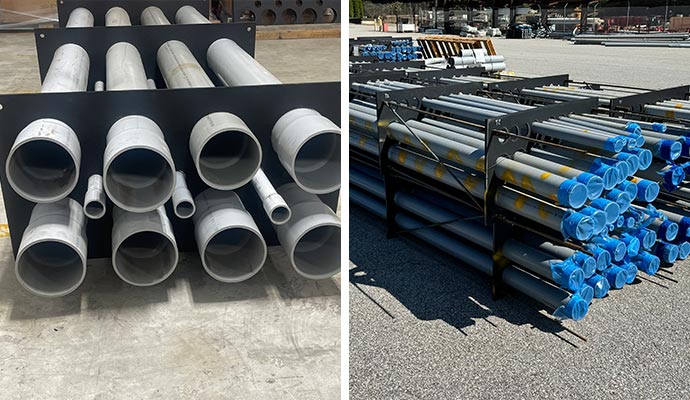
Compare PVC vs. HDPE Spacers
Although both materials serve the same purpose, HDPE consistently delivers stronger performance in real-world conditions. Here is the detailed comparison of their features and strength:
| Features | PVC Spacers | HDPE Spacers |
|---|---|---|
| Overall Strength | Good | Excellent |
| Impact Resistance | Moderate | High |
| Flexibility | Limited | Excellent |
| Resistance to Cracking | Moderate | Excellent |
| Underground Durability | Good | Excellent |
| Long-Term Performance | Good | Excellent |

Importance of Spacer Strength
Underground construction places continuous stress on conduit spacers from the moment your installation begins. Materials are repeatedly handled, exposed to equipment movement, surrounded by concrete, and subjected to varying ground conditions.
A stronger spacer helps maintain conduit alignment, minimizes the chance of breakage, and reduces interruptions caused by damaged materials. These advantages help contractors keep installations organized while reducing unnecessary corrections later in the project.
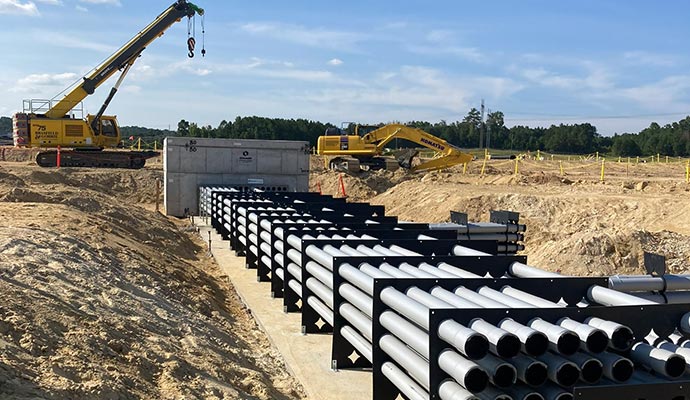
HDPE Duct Bank Conduit
Choosing a stronger material is only part of building a dependable conduit system. Amur Trench manufactures HDPE duct bank conduit spacers designed to maintain accurate conduit spacing while standing up to demanding installation conditions. Built for strength, durability, and dependable performance, our spacers help contractors complete concrete-encased conduit installations with greater confidence.
| Key Specifications for Duct Bank Conduit Spacers | |
|---|---|
| Density | 0.95–0.96 g/cc |
| Hardness | Shore D 65 |
| Tensile Strength | 3,000 psi |
| Elongation at Break | ≥500% |
| Impact Resistance | Izod Notched 3.0 ft-lb/in |
| Thermal Resistance | Heat deflection up to 165°F, Vicat softening point 268°F, Brittle below -103°F |
Industries That Rely on Our Conduit Spacers
Amur Trench supplies HDPE duct bank conduit spacers to various industries all over the USA, including:
 Telecom and Data
Supports organized conduit layouts for communication and network infrastructure
 Utility and Power
Helps maintain consistent conduit spacing for electrical distribution systems
 Renewable Energy
Ideal for conduit installations for solar and wind energy projects
 Healthcare Facilities
Supports structured utility routing for healthcare campuses and critical facilities
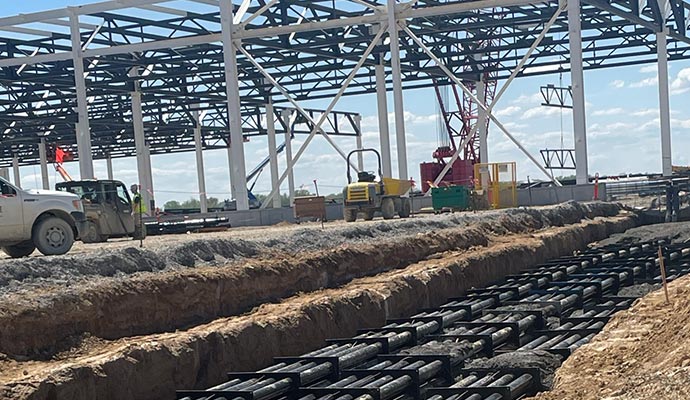 Commercial Construction
Used in office buildings, warehouses, and other large-scale developments
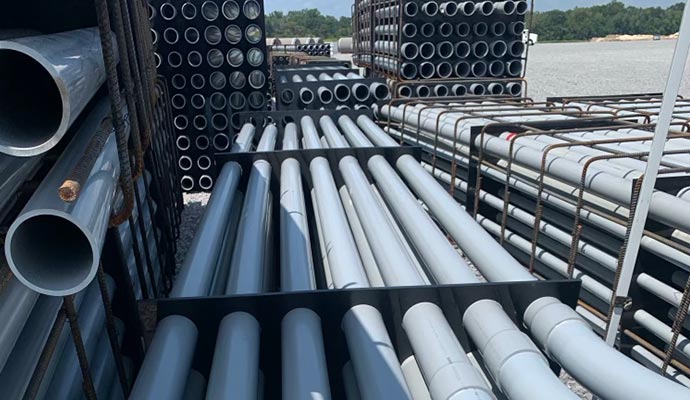
Call Us to Book Your Conduit Spacers Products Today
When comparing PVC and HDPE conduit spacers, the difference comes down to long-term performance under real jobsite conditions. HDPE provides greater strength, higher impact resistance, and better durability, making it the preferred material for contractors who need reliable conduit spacing throughout your installation process.
If your next project demands conduit spacers built to handle challenging conditions beneath the surface, Amur Trench is ready to help in Austin, Colorado Springs, Los Angeles, Denver, and other citiesnationwide. Call now or contact our team online today to order durable duct bank conduit spacers designed for dependable field performance and lasting reliability.
888-996-8288PVC Spacers vs. HDPE Spacers Frequently Asked Questions
Can Amur Trench HDPE conduit spacers be used with different conduit sizes?
Are HDPE conduit spacers suitable for concrete-encased duct banks?
How do I determine the correct conduit spacer configuration?
How much do Amur Trench HDPE conduit spacers cost?
Other pages you may be interested in...
